



















































Smart Tips on How to Manage Your Household Budget for Long-term Savings
Managing a household budget effectively is crucial for building long-term savings and achieving financial stability. Whether you are saving up for a family vacation, preparing for unexpected expenses, or planning for retirement, understanding how to strategically handle your finances can make all the difference. Here, we explore practical and impactful ways to oversee your household expenses and maximize your savings.
Understanding Your Income and Expenses
Before diving into complex budgeting strategies, the first step is to have a clear understanding of your financial inflow and outflow. This involves more than just knowing how much you earn and spend. You need to categorize your income and expenses to see where your money is going.
How to Track Your Finances
Start by listing all your income sources, including your main job, any side gigs, and passive income. Then, record every expense, from monthly rent or mortgage to that morning coffee. Tools like budgeting apps or spreadsheets can simplify this process and offer insights into your spending patterns. Remember, the goal is to ensure your expenses do not surpass your income.
Setting Realistic Financial Goals
Once you understand your financial landscape, it’s time to set achievable goals. Goals give you a target to aim for and motivate you to adjust your spending behaviors.
Examples of Financial Goals
Possible goals might include saving for an emergency fund that covers 6 months of expenses, paying off credit card debt, or saving a certain amount for a child’s education. It’s beneficial to make these goals specific, measurable, and time-bound.
Budgeting Methods That Work
There are several budgeting methods available, and choosing the right one can help you manage your household budget efficiently.
Popular Budgeting Techniques
- The 50/30/20 Rule: This approach suggests using 50% of your net income for necessities, 30% for wants, and 20% for savings or paying off debt.
- Envelope System: Using physical or digital envelopes, allocate a set amount of cash for different spending categories. Once the envelope is empty, no more spending is allowed in that category for the month.
- Zero-Based Budget: This method ensures every dollar is accounted for. It aligns your expenses with your income, assigning each dollar a job, whether it’s going towards expenses, savings, or debt repayment.
Experimenting with these methods can help you find the one that fits your family’s needs and lifestyle best.
Reducing Household Expenses
Trimming your expenses is a powerful way to free up more money for your savings goals. While some costs are fixed, others can be adjusted with a bit of effort and creativity.
Ways to Cut Down on Spending
- Utility Savings: Lower your bills by conserving energy and water, switching to cost-effective providers, or investing in energy-efficient appliances.
- Grocery Budgeting: Plan your meals, use coupons, shop sales, and avoid wasting food to dramatically reduce grocery expenses.
- Entertainment Choices: Opt for free or low-cost entertainment activities, like hiking or visiting community events, instead of high-priced outings.
Planning for Large Expenses
Unexpected large expenses, such as home repairs or medical emergencies, can derail your budget. Planning ahead for these potential costs is essential.
Creating an Emergency Fund
Start by setting aside a small amount of money each month into an emergency fund. This fund should eventually grow to cover several months of living expenses, offering a financial buffer that can keep you afloat in tough times without derailing your long-term savings goals.
Monitoring and Revising Your Budget
Continuous monitoring of your budget is key. This involves regularly checking your spending and making adjustments to ensure you stay on track with your financial goals.
Regular Budget Reviews
Make it a routine, perhaps monthly or quarterly, to review your budget. This will help you catch and correct areas where you might be overspending. It’s also a good chance to celebrate successes, like reaching a savings milestone, which can boost motivation.
Utilizing Financial Tools
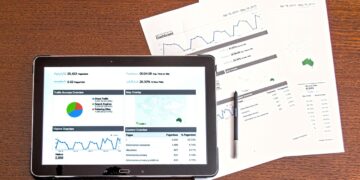
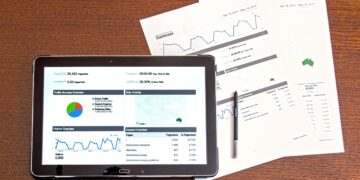
Various online tools and apps can assist in managing your household budget more effectively. These tools often offer features like automatic expense tracking, alerts for bill payments, and visualizations of your spending trends and savings progress.
Recommended Budgeting Tools
- Mint: Great for budget tracking and goal setting.
- You Need a Budget (YNAB): Ideal for those who want to get serious about zero-based budgeting.
- Goodbudget: Based on the envelope system, perfect for traditional budgeters who prefer a digital solution.
Conclusion
Effectively managing your household budget is not just about cutting back on expenses; it’s about making smart choices that align your financial habits with your long-term savings goals. By comprehensively understanding your finances, setting realistic goals, choosing a suitable budgeting method, and utilizing the right tools, you can enhance your financial well-being and secure a stable, prosperous future for you and your family.